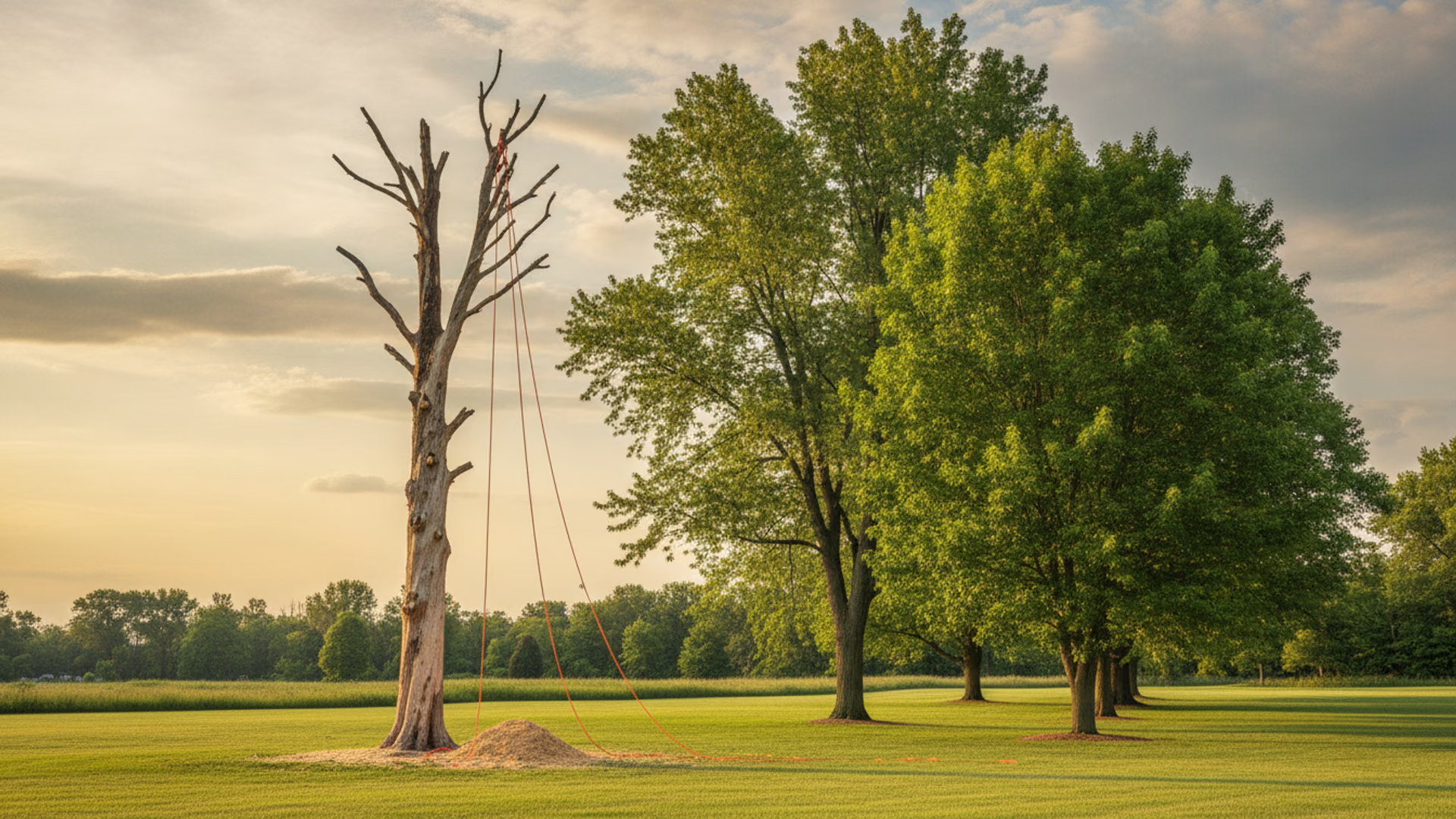
There's a tree on your property you've stopped trusting. The ash that never leafed out this spring. The maple shedding bark in sheets. The oak leaning a little further toward the house than it did last year. You've started walking a wider path around it — and you're right to. G & R Tree Surgeons handles hazardous tree removal in Sidney, MI and across Montcalm County, and every job starts the same way: we assess the tree before anyone starts a saw, then bring it down in controlled sections. Request a free estimate and get a straight answer about what you're looking at.
Warning Signs a Tree Has Become a Hazard
Trees rarely fail without warning. They telegraph it — you just have to know what the signals mean:
- No leaves this spring, or a thin, patchy crown. Dieback starts at the top. A crown that's half-bare in June isn't "late" — it's a tree losing the fight.
- Bark falling off the tree in sheets. When bark sloughs away and won't grow back, the wood underneath is already dead.
- Mushrooms at the base of a tree, or shelf-like conks on the trunk. Fungal fruiting bodies mean advanced decay in the roots or lower trunk — the part that holds everything up.
- A new or worsening lean. A tree leaning toward the house that stood straight last year means the root plate has moved. Those trees rarely re-anchor.
- Soil cracking or mounding at the base. The ground lifting on one side is the root plate tipping — one of the most urgent signs on this list.
- Large dead limbs hanging over the roof, driveway, or play areas. Deadwood over a target is a hazard even when the rest of the tree is healthy.
One of these signs earns a closer look; two or more on a tree standing over something you care about makes it a dead tree removal candidate. For a deeper walkthrough of each symptom, read our guide on how to spot a dead or dying tree.
Michigan's Two Silent Tree Killers
Most of the hazardous trees we remove around Sidney weren't damaged by weather. They were killed standing — by one of two problems working through Michigan's woods.
EAB-Killed Ash
Emerald ash borer has worked through the ash in Montcalm and Kent counties, and the larvae kill from the inside — girdling the tree under the bark while the outside still looks like a tree. Here's what matters for your yard: dead ash goes brittle faster than almost any other species. Within a couple of years of dying, a standing ash can be too dangerous to climb at all, which forces slower, more equipment-dependent removals. If you have a bare ash near the house, it belongs at the front of the line.
Oak Wilt Kills
Oak wilt is a fungal disease that can take a red oak from full green crown to brown in a single summer. A suddenly-dead oak is not a wait-and-see tree — the disease has already done its work, and the trunk and limbs only get weaker from there. When an oak dies fast like that, it's a removal candidate, and the sooner it comes down, the safer and simpler the job is.
Risk Assessment Before Anyone Starts a Saw
A tree risk assessment isn't paperwork — it's the plan for the whole job. We walk the property with you and read the tree: which way it's loaded and leaning, how far the decay has spread, what's underneath it — house, driveway, play areas, wellhead, fence lines — and how equipment can get to it. That hazardous tree assessment decides everything that follows: whether the tree can be felled whole into open ground, dismantled piece by piece, or left standing because it's healthier than it looks.
Then you get a free written estimate with a clear recommendation — including the honest calls. Some of the trees we're asked to remove don't need to come down, and we say so. The people doing the assessing are the same people doing the work: our tree service team runs 100% of jobs with our own crews, with owner Matthew keeping every project close.
How Hazardous Removals Differ from Standard Tree Removal
Live wood is predictable. It bends before it breaks, it holds a hinge when you make a felling cut, and it takes rigging loads the way a climber expects. Dead wood does none of that. Limbs snap without flexing first, tops break out mid-cut, and wood that looks solid can be punky two inches in — which means a dead tree can't be climbed or rigged like a live one.
So hazardous removals run slower and tighter. Rigging points go into sound wood — sometimes in a neighboring tree rather than the dead one. Pieces are lowered on ropes in controlled sections; nothing free-falls over a roof, fence, or line. Over structures, we take smaller picks and make slower, deliberate cuts, and the site is secured before the first cut, not after something goes wrong. For healthy trees that simply need to go — wrong spot, too big, blocking a build — our general tree removal services cover the standard version of this work. And if a tree has already come down on your property, that's a different job: see our storm-damaged tree cleanup.
Why Waiting Costs More
A standing dead tree never gets cheaper. Every season it stands, the wood dries and gets more brittle, the climbing and rigging options shrink, and the removal gets slower and more expensive. Dying tree removal is at its simplest while there's still sound wood to work with.
The insurance math points the same direction. Homeowners insurance generally will not pay to remove a standing hazard — preventive removal is considered normal upkeep. Policies typically pay only after the tree damages a covered structure, which means a deductible plus repairs plus weeks of disruption. Insurers have also started flagging visible hazard trees at renewal. Removing a known hazard on your schedule is far cheaper than any version of the alternative. In the meantime, keep people, vehicles, and anything you'd miss out from under it — and schedule an assessment soon.
Hazardous Tree Removal Across Sidney and Montcalm County
G & R Tree Surgeons is based on West Sidney Rd right in Sidney, serving Greenville and the rest of Montcalm County along with Rockford and Grand Rapids. In three years we've completed 500+ projects and earned 23+ five-star Google reviews doing exactly this kind of careful, assessment-first work. If you're local, start with a hazardous tree assessment in Sidney, MI.
Worried about a tree? Don't keep guessing from the kitchen window. Call (989) 658-5541 or get your free estimate — a no-pressure walk-through and a written recommendation you can plan around.